
The sizzle of fresh vegetables hitting a hot skillet can transport you right to the heart of a bustling kitchen. I often find that a plate of healthy sautéed vegetables brings both comfort and vibrancy to any meal, especially when time is of the essence. This quick and nutritious sautéed vegetables recipe goes beyond just a side dish; it’s a colorful medley that allows you to play with your favorite seasonal produce—whether fresh or frozen. Not only does it take mere minutes to whip up, but its flexibility makes it a fantastic choice for meal prep or a last-minute dinner boost. Ready to transform your plate and squeeze in those veggies? Let’s dive into this delightful dish together!
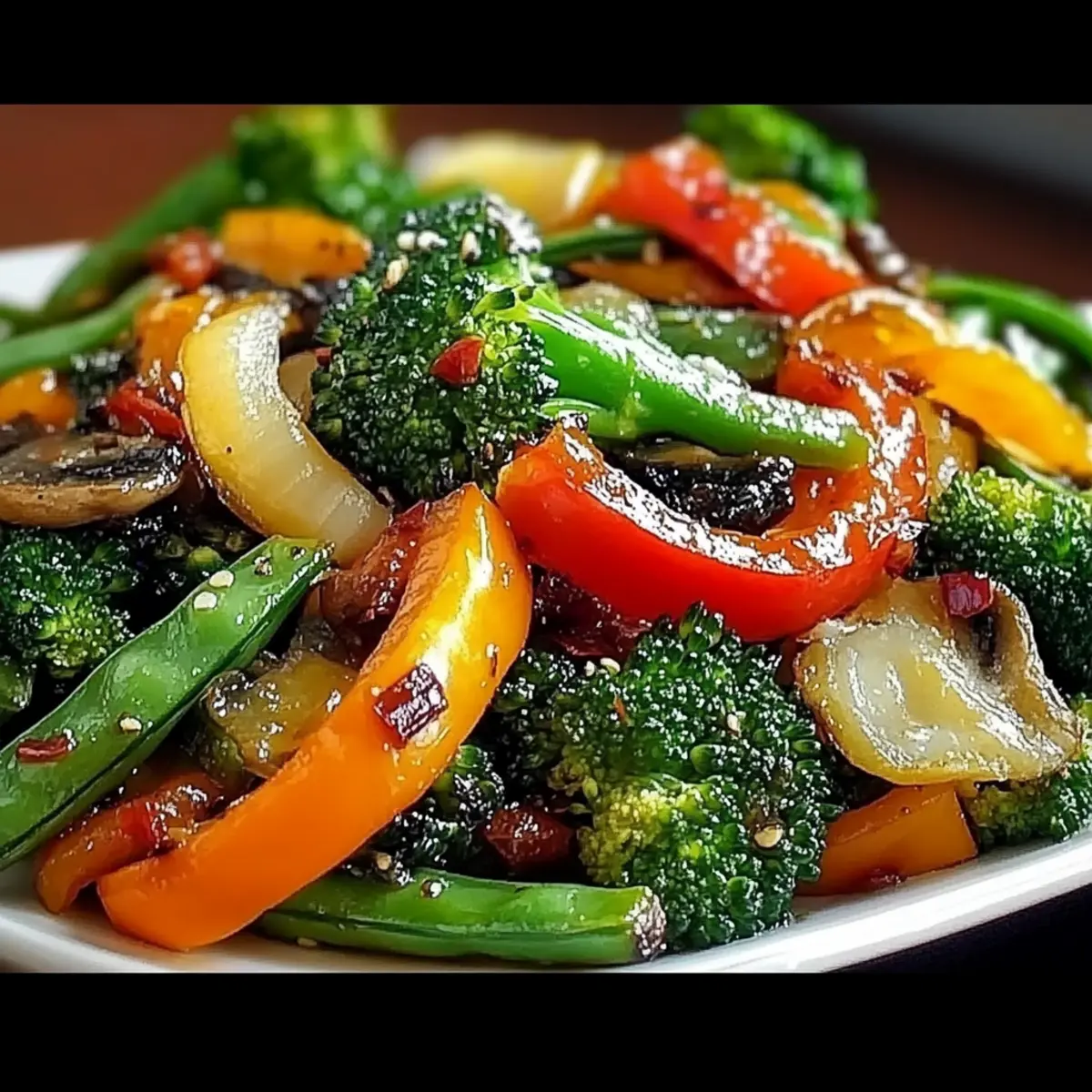
Why Choose Healthy Sautéed Vegetables?
Flavorful Explosion: The vibrant mix of fresh veggies creates a delightful burst of flavor with every bite, transforming your meal into a culinary experience.
Endless Customization: Feel free to swap in your favorite seasonal offerings or use whatever’s lurking in your freezer. You can effortlessly cater to your family’s tastes!
Quick and Easy: Whipping up these healthy sautéed vegetables takes mere minutes, making it a perfect choice for those busy weeknights when you crave something nutritious.
Nutritious Goodness: Packed with vitamins and minerals, this dish supports a balanced diet without sacrificing taste. Pair it with something like grilled chicken or fish from our Wonton Bowl Healthy for a complete feast.
Crowd-Pleasing Side: Whether it’s for family dinners or entertaining guests, these sautéed vegetables appeal to everyone. Transform any occasion into a colorful and hearty celebration!
Healthy Sautéed Vegetables Ingredients
• Here’s everything you need to create your flavorful, crisp-tender dish!
For the Base
- Olive Oil – Offers healthy fats and flavor; avocado oil is a great substitute.
- Garlic (2 cloves, minced) – Adds aromatic depth; always opt for fresh when possible.
- Onion (1 small, thinly sliced) – Contributes sweetness; shallots work nicely as an alternative.
For the Veggie Medley
- Bell Pepper (1 medium, sliced) – Provides crunch and sweetness in any color of your choice.
- Zucchini (1 medium, sliced into half-moons) – Offers mild texture; yellow squash is a great swap if desired.
- Broccoli (1 cup, florets) – Introduces a crunchy bite and nutrient boost; green beans can be used instead.
- Carrot (1 medium, julienned or sliced thin) – Adds vibrant color and sweetness; consider parsnip for a fun variation.
- Snap Peas (½ cup) – These deliver a sweet, crispy element; snow peas may work well too.
- Mushrooms (½ cup, sliced) – Offer umami richness and great texture; omit if preferred.
Seasoning Essentials
- Salt and Black Pepper – Key for enhancing flavors to your liking.
- Lemon Juice (1 tsp, optional) – Brightens up flavors; lime juice is a tasty alternative.
- Balsamic Vinegar or Soy Sauce (1 tsp, optional) – Adds depth and complexity; use tamari for a gluten-free version.
Optional Toppings
- Grated Parmesan, fresh herbs, toasted nuts, or seeds – Elevate the flavor and texture of your dish beautifully!
Get your ingredients prepped and let’s create some delicious healthy sautéed vegetables that will brighten up any meal!
Step‑by‑Step Instructions for Healthy Sautéed Vegetables
Step 1: Prepare Your Vegetables
Start by washing, peeling, and cutting all your vegetables into uniform pieces for even cooking. Slice your bell pepper, zucchini, and onion, julienne the carrot, and cut the broccoli into florets. Make sure everything is prepped and ready to go, as this dish comes together quickly.
Step 2: Heat the Skillet
In a large skillet, heat 2 tablespoons of olive oil over medium-high heat. Allow the oil to warm for about 1-2 minutes until it shimmers slightly but is not smoking. This temperature is perfect for sautéing and will help achieve that delicious golden-brown color on your vegetables.
Step 3: Sauté Aromatics
Add the minced garlic and sliced onion to the skillet. Sauté for 1-2 minutes, stirring frequently, until the mixture becomes fragrant and the onion is translucent. Keep an eye on the garlic to prevent it from burning, as this could lead to a bitter flavor in your healthy sautéed vegetables.
Step 4: Cook the Harder Vegetables
Next, toss in the julienned carrot and broccoli florets. Cook for about 3-4 minutes, stirring regularly, until they start to soften but still retain a crunch. The vibrant colors will be a great visual reminder that these vegetables are packed with nutrients!
Step 5: Add Remaining Vegetables
Once the carrot and broccoli are just tender, add the sliced bell pepper, zucchini, mushrooms, and snap peas to the skillet. Sauté everything together for another 4-5 minutes. You’re aiming for that crisp-tender texture, so keep stirring frequently and enjoy the colorful medley sizzling in the pan!
Step 6: Season and Toss
Sprinkle salt and black pepper to taste over your sautéed vegetables. If you’d like to enhance the flavors, add a splash of lemon juice and balsamic vinegar or soy sauce. Toss everything together well and cook for an additional minute to ensure even seasoning throughout the dish.
Step 7: Serve and Garnish
Remove your healthy sautéed vegetables from the heat and transfer them to a serving dish. Optionally, top with grated Parmesan, fresh herbs, or toasted nuts for added flavor and texture. Serve them immediately while they’re warm and vibrant, pairing beautifully with your choice of protein or grain.
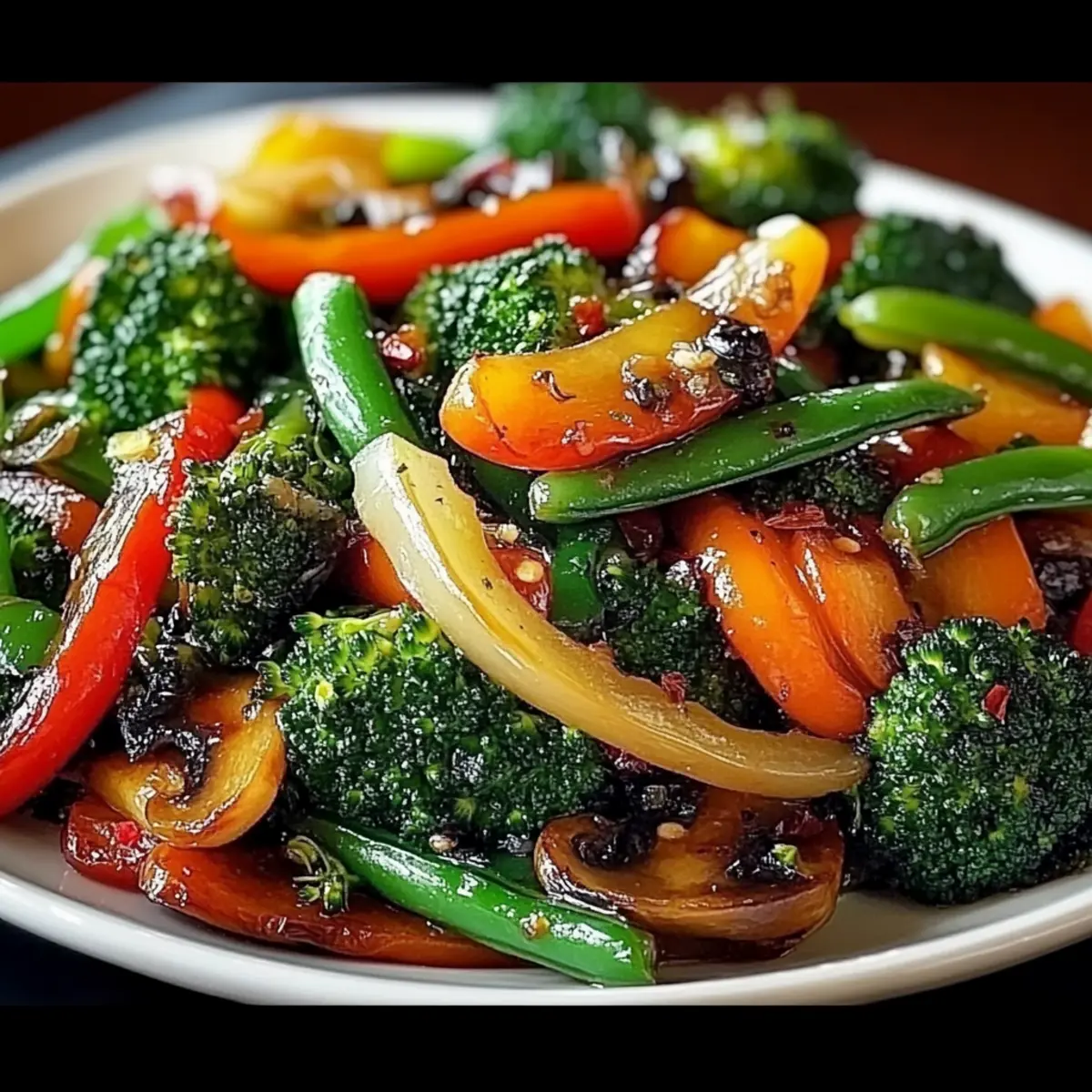
Healthy Sautéed Vegetables Variations
Feel free to get creative with your dish and make it truly your own with these delightful twists!
- Seasonal Veggies: Incorporate asparagus or leafy greens like spinach for a fresh take that captures the season’s bounty.
- Protein Boost: Add cooked chicken, shrimp, or tofu to your sauté for a satisfying and nutritious meal. These options pair wonderfully with the vibrant veggies and lend heartiness to your plate.
- Spice it Up: Add a sprinkle of red pepper flakes or a dash of hot sauce for a kick of heat that invigorates your palate.
- Texture Twist: Swap the zucchini for crunchy bell peppers or crisp snow peas to change the dish’s mouthfeel while maintaining that vibrant flavor.
- Herb Infusion: Experiment with herbs like thyme or rosemary to elevate the fragrance and taste, providing an aromatic experience that will linger in your kitchen.
- Citrus Zing: Swap lemon juice for orange juice for a sweeter flavor profile, which balances well with the savory sautéed goodness.
- Cultural Flair: Take inspiration from various cuisines; add soy sauce or ginger for an Asian-inspired touch reminiscent of your favorite stir-fries. This is a great way to savor familiar flavors with a twist!
- Creative Toppings: Top with toasted nuts, seeds, or even feta for a dose of richness and complexity that turns your veggies into a show-stopping side.
Whichever variation you choose, these enhancements will keep your healthy sautéed vegetables fresh and exciting. For more delicious and wholesome ideas, don’t miss out on our guiding recipes like Pan Chicken Vegetables or the endless versatility of a Wonton Bowl Healthy.
Make Ahead Options
These Healthy Sautéed Vegetables are perfect for meal prep enthusiasts looking to save time on busy weeknights! You can prep and cut all your vegetables (bell peppers, zucchini, broccoli, carrots, snap peas, and mushrooms) up to 24 hours in advance and store them in an airtight container in the refrigerator. Additionally, you can sauté the vegetables, allow them to cool, and refrigerate for up to 3 days. To maintain crisp-tender quality, consider slightly undercooking them. When you’re ready to serve, simply reheat in a hot skillet with a splash of water or broth for a few minutes until warmed through, ensuring you enjoy these delightful Healthy Sautéed Vegetables just as fresh and delicious as the day you made them!
How to Store and Freeze Healthy Sautéed Vegetables
- Fridge: Store leftover healthy sautéed vegetables in an airtight container for up to 3 days. The flavors will meld together beautifully, making each bite even tastier upon reheating.
- Freezer: If you want to keep them longer, freeze in a single layer on a baking sheet first, then transfer to a freezer-safe bag for up to 2 months. This helps prevent clumping.
- Reheating: To restore freshness when reheating, place in a skillet over medium heat with a splash of water or broth until warmed through. Enjoy the vibrant flavors again!
- Separation Tip: For best quality, separate any high-moisture vegetables like zucchini before freezing, as they tend to become mushy when thawed.
Expert Tips for Healthy Sautéed Vegetables
-
Even Cuts: Ensure all vegetables are cut into uniform sizes for consistent cooking, preventing some pieces from being overcooked.
-
Avoid Overcrowding: Sauté in batches if necessary; overcrowding the pan can trap steam, leading to softer instead of crisp-tender vegetables.
-
Check Freshness: Use fresh vegetables for the best flavor. Frozen options can be handy but may release excess moisture during cooking.
-
Crisp-Tender Finish: For ideal texture, consider undercooking slightly if you plan to reheat later. A quick splash of water or broth helps maintain freshness.
-
Layer Flavors: Don’t hesitate to experiment with herbs and spices tailored to your taste. This will enhance your healthy sautéed vegetables beautifully!
What to Serve with Healthy Sautéed Vegetables?
A delicious medley of sautéed vegetables deserves the perfect companions to create a wholesome meal. Here are some delightful pairings to consider!
-
Grilled Chicken: Savor the juicy, smoky flavors of grilled chicken, which balance perfectly with the vibrant and crisp vegetables.
-
Quinoa Salad: A light quinoa salad brings a nutty flavor and chewy texture, creating a hearty and nutritious addition to your plate. It’s a great way to incorporate more grains into your meal.
-
Brown Rice: The earthy tones of brown rice provide a wholesome foundation that complements the colorful sautéed vegetables, making each bite comforting and fulfilling.
-
Tofu Stir-Fry: For a plant-based option, add a simple tofu stir-fry. Tofu absorbs flavors beautifully, enhancing the dish’s nutrition and making it a satisfying vegetarian meal.
-
Lemon-Herb Fish: If you’re a seafood lover, try pairing your sautéed veggies with a lemon-herb fish like salmon or trout. The zesty fish will brighten the meal, making it refreshing and vibrant.
-
Crispy Potato Wedges: For a comforting side that contrasts the crisp-tender veggies, serve up some crispy potato wedges. Their creamy interior pairs delightfully with the crunch of the vegetables.
-
Hummus and Pita Bread: Lighten up your meal by adding hummus and warm pita bread on the side. This combination offers a creamy, rich dip with a touch of Mediterranean flair!
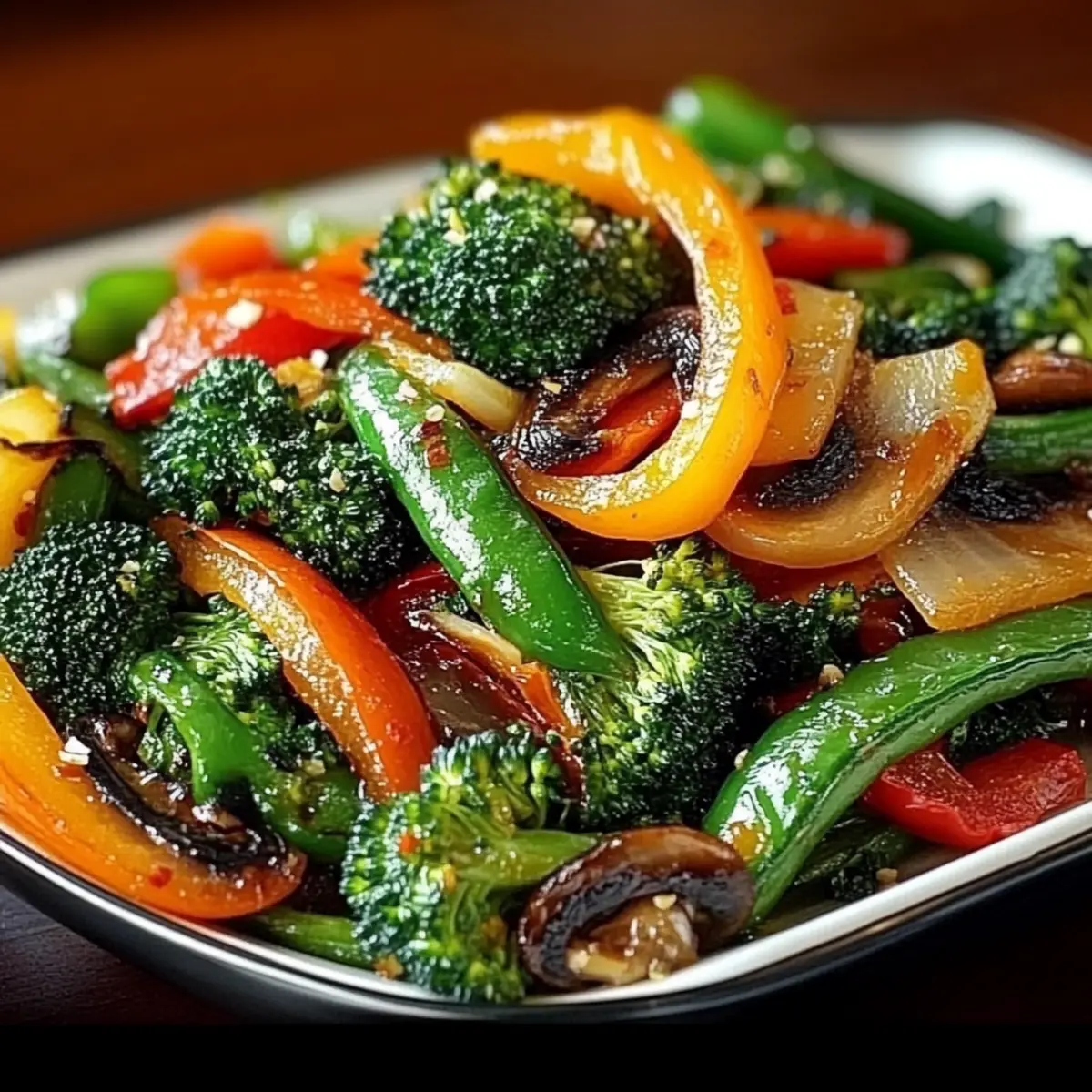
Healthy Sautéed Vegetables Recipe FAQs
What vegetables should I use for sautéing?
Absolutely! You can use a variety of fresh or frozen vegetables based on your preference. I often recommend a mix of bell peppers, zucchini, broccoli, and carrots for color and nutrition. Seasonal vegetables like asparagus or leafy greens can also be delightful additions!
How do I store leftover sautéed vegetables?
After enjoying your delicious healthy sautéed vegetables, store any leftovers in an airtight container in the fridge. They’ll stay fresh for up to 3 days. When you reheat, just toss them in a skillet over medium heat with a splash of water or broth to keep them vibrant and crisp!
Can I freeze sautéed vegetables?
Yes, you can freeze your healthy sautéed vegetables! Start by spreading them in a single layer on a baking sheet and freeze them for about 1-2 hours. Once they’re frozen, transfer them to a freezer-safe bag. They can be kept for up to 2 months. Just remember to separate any high-moisture veggies to prevent mushiness when thawed!
What if my vegetables are too soft after sautéing?
Very! If your sautéed vegetables turn out softer than desired, there are a couple things to consider for next time. Make sure to cut them into uniform sizes for even cooking, and avoid overcrowding the pan; this prevents steaming instead of sautéing. If they’re already done and a bit too soft, try tossing them in the skillet with a splash of water to revive some crunch when reheating.
Are there any dietary considerations for this recipe?
Of course! The healthy sautéed vegetables can easily accommodate various dietary needs. Use gluten-free options like tamari for soy sauce and remain mindful of personal allergies to specific vegetables. Also, consider cooking with oils that suit your dietary preferences, such as avocado oil or even coconut oil for a different flavor profile!
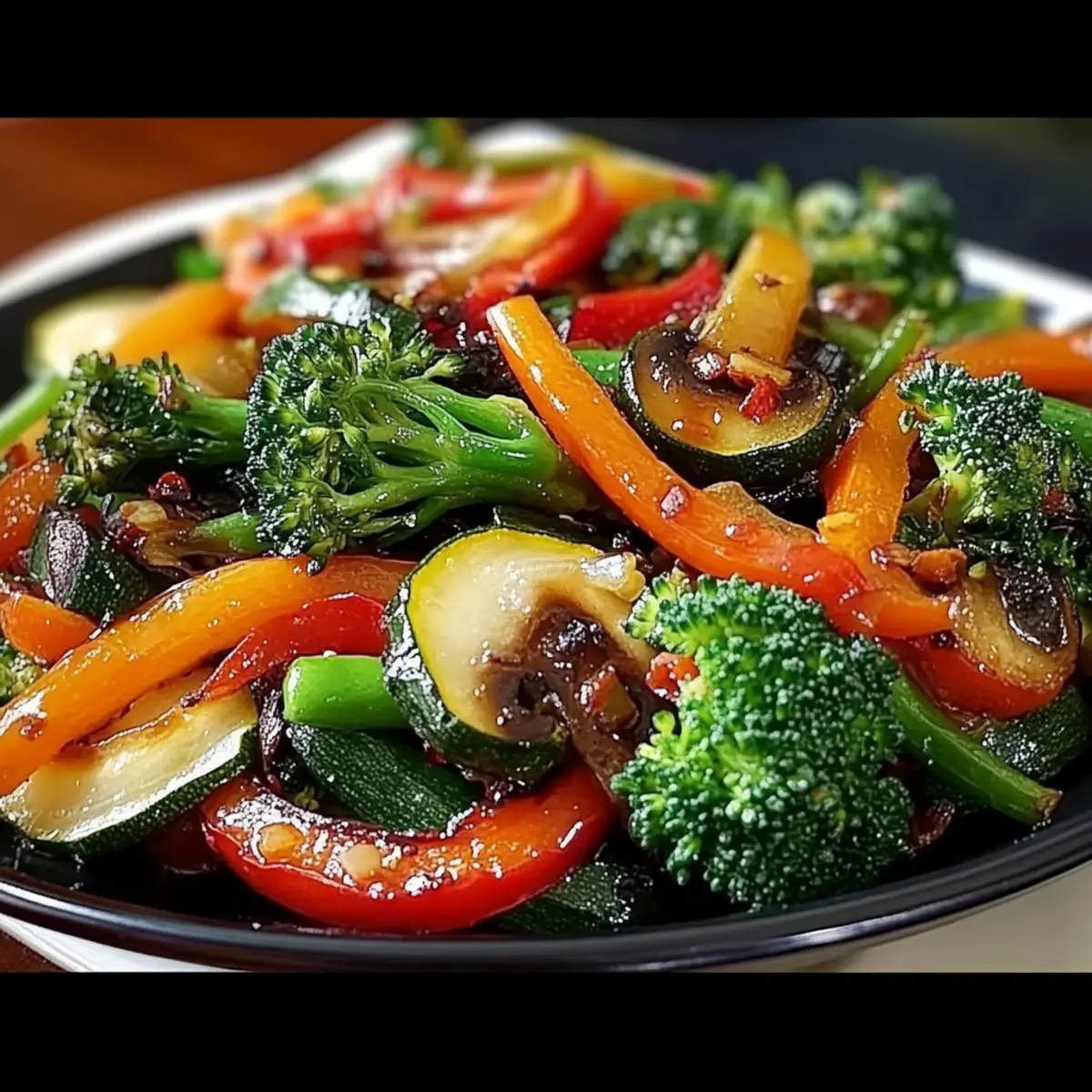
Delicious Healthy Sautéed Vegetables for Quick Meal Perfection
Ingredients
Equipment
Method
- Prepare your vegetables by washing, peeling, and cutting all into uniform pieces.
- Heat olive oil in a large skillet over medium-high heat for about 1-2 minutes.
- Add minced garlic and sliced onion to the skillet and sauté until fragrant.
- Toss in julienned carrot and broccoli florets, cooking for 3-4 minutes.
- Add sliced bell pepper, zucchini, mushrooms, and snap peas; sauté for another 4-5 minutes.
- Season with salt and black pepper, adding lemon juice and balsamic vinegar if desired.
- Remove from heat, transfer to a serving dish, and garnish with optional toppings.
Leave a Reply