
As the chill of autumn whispers through the air, I can’t help but be drawn to the warming embrace of a bowl filled with Nova Scotia Seafood Chowder. This creamy maritime delight showcases a rich medley of fresh haddock, succulent shrimp, and tender scallops swimming in a velvety broth that feels like a comforting hug in a chilly evening. Not only does this recipe promise to impress with its gourmet flair, but it’s also surprisingly straightforward—perfect for intermediate home chefs eager to elevate their cooking game. Whether you’re gathering around the table with loved ones or or just craving a bowl that brings the Atlantic’s best straight to your kitchen, this chowder is destined to become a favorite. Are you ready to dive into this delicious adventure?
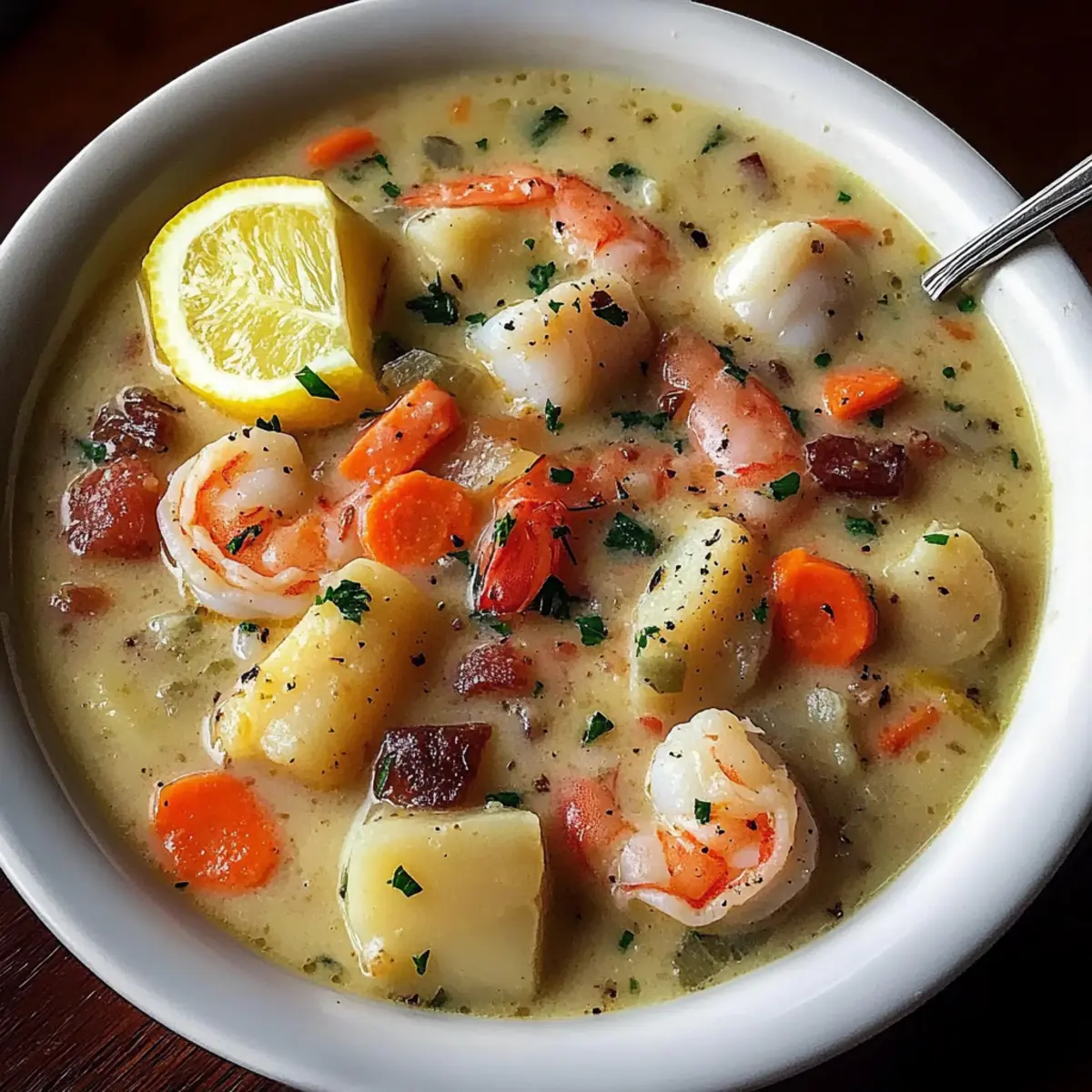
Why is this chowder a must-try?
Comforting warmth: This Nova Scotia Seafood Chowder wraps you in cozy vibes, perfect for chilly evenings.
Gourmet experience: Impress guests with restaurant-quality flavors, showcasing fresh seafood in every bite.
Ease of preparation: Intermediate-level cooks will appreciate the straightforward steps, allowing you to nourish your loved ones without stress.
Versatile ingredients: Feel free to switch up seafood selections based on your preference or what’s on hand for a unique twist — consider using crab or mussels!
Crowd-pleaser: Whether it’s a family dinner or lunch with friends, this chowder is guaranteed to please everyone at the table.
Serve with style: Pair it with crusty bread or a refreshing salad for a complete meal that feels special every time.
Nova Scotia Seafood Chowder Ingredients
For the Chowder Base
- Unsalted Butter – Essential for sautéing aromatics and creating a rich base; can use olive oil for a healthier twist.
- Onion – Adds sweetness and depth; shallots can also be a thoughtful substitution.
- Carrots – Provide a touch of sweetness and vibrant color; no need for substitutions.
- Celery – Contributes to the flavor profile; fennel offers an interesting alternative.
- Garlic – Enhances the dish’s aroma; be sure to mince finely to release those flavorful oils.
- Potato – Adds heartiness and creaminess; Yukon gold or red potatoes are fantastic substitutes.
For the Broth
- Seafood Stock – Forms the backbone of the chowder, enhancing those delicious seafood flavors; use vegetable stock for a lighter option.
- Dried Thyme – Provides an herbal note; fresh thyme can elevate the dish even further.
- Bay Leaf – Deepens the flavor; remember to remove it before serving!
For the Creamy Finish
- Heavy Cream – Creates that rich, velvety texture; half-and-half can lighten it up.
- Milk – Balances the chowder’s creaminess; you can swap in whole milk or non-dairy alternatives.
For the Seafood Medley
- Haddock, Shrimp, Scallops – The star trio bringing nourishment and flavor; you can substitute with cod or mussels, adjusting cooking times as needed.
Seasonings
- Salt and Pepper – Essential for flavor enhancement; adjust to taste.
- Fresh Parsley – Adds a pop of color for garnish; chives or scallions can also brighten the dish.
- Lemon Wedges – Serve on the side for a bright and zesty finish.
This Nova Scotia Seafood Chowder is sure to bring warmth and comfort to your home—let’s dive in!
Step‑by‑Step Instructions for Nova Scotia Seafood Chowder
Step 1: Sauté the Aromatics
In a large pot over medium heat, melt 4 tablespoons of unsalted butter until it becomes foamy. Add in 1 diced onion, 2 diced carrots, and 2 chopped celery stalks, stirring frequently. Sauté these aromatics for about 5–7 minutes, until the vegetables soften and become fragrant, creating a lovely base for your Nova Scotia Seafood Chowder.
Step 2: Add Garlic
Stir in 4 finely minced garlic cloves, allowing them to cook for an additional minute. This step ensures the garlic releases its aromatic oils without burning, infusing your chowder with rich flavor. Keep stirring until you can smell the delightful garlic aroma filling your kitchen.
Step 3: Incorporate the Potatoes and Stock
Add 2 diced potatoes to the pot, along with 4 cups of seafood stock, 1 teaspoon of dried thyme, and 1 bay leaf. Stir well to combine all ingredients, then bring the mixture to a gentle simmer over medium-high heat. Cook for approximately 15–20 minutes, or until the potatoes are fork-tender, deepening the chowder’s rich flavors.
Step 4: Mix in Dairy
Once the potatoes are tender, carefully remove the bay leaf and lower the heat to medium. Pour in 1 cup of heavy cream and 1 cup of milk, stirring until fully integrated. Keep the mixture on a gentle heat to avoid boiling, allowing the chowder to maintain its creamy, velvety texture without curdling.
Step 5: Cook the Seafood
Fold in 1 pound of haddock, 1 pound of shrimp, and 1 pound of scallops into the chowder. Cook for about 5–7 minutes, stirring occasionally, until the seafood becomes opaque and tender. The seafood medley will not only enhance the flavors but also imbue the chowder with a delightful maritime essence.
Step 6: Season to Taste
Generously season your Nova Scotia Seafood Chowder with salt and pepper, adjusting to your taste preferences. Allow the chowder to simmer for an additional 2 minutes, ensuring all flavors meld beautifully. Taste for seasoning once more, enhancing the experience with just the right balance of flavor.
Step 7: Serve and Garnish
Ladle the chowder into warmed bowls, garnishing each serving with a sprinkle of fresh parsley for a pop of color. Serve alongside lemon wedges to offer a bright acidity that complements the rich, creamy chowder beautifully. Enjoy the comforting warmth and gourmet experience of this delightful dish!
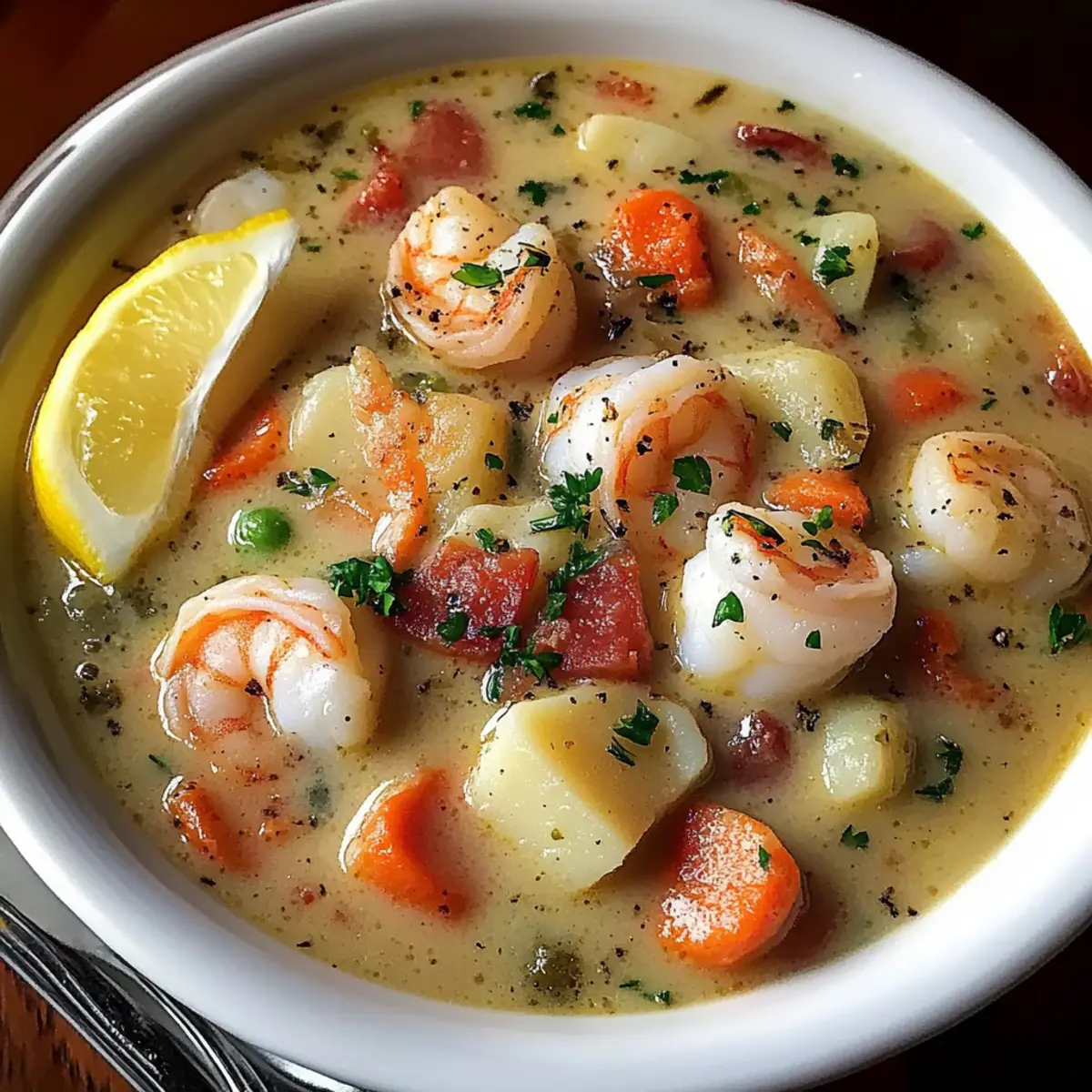
What to Serve with Nova Scotia Seafood Chowder
As you savor the comforting warmth of this creamy chowder, imagine the perfect pairings that will elevate your dining experience.
- Crusty Bread: The perfect vehicle for soaking up the rich chowder, adding a crunchy texture that beautifully contrasts the creaminess.
- Garlic Butter Toast: Infuse your meal with a burst of flavor—these toasts offer a savory, aromatic complement to the seafood.
- Mixed Green Salad: A fresh salad with a zesty vinaigrette adds brightness and balances the chowder’s richness, creating a well-rounded meal.
- Steamed Asparagus: Adds a lovely crunch; the mild flavor enhances your chowder without overpowering it, making each bite refreshing.
- Roasted Vegetables: Seasonal veggies tossed in olive oil and herbs bring out earthy flavors, contrasting beautifully with the seafood notes.
- White Wine: A chilled glass of Sauvignon Blanc or Chardonnay enhances the chowder’s flavors, bringing a sophisticated touch to your meal.
- Lemon Sorbet: Cap off your meal with a light dessert; its citrusy zing cleanses the palate and refreshes after a rich dish.
- Cheese Board: An assortment of soft cheeses, nuts, and fruits can make for a delightful appetizer, stimulating your appetite before the chowder.
Nova Scotia Seafood Chowder Variations
Feel free to tailor this chowder to your tastes and pantry staples for an adventure in flavor!
-
Fishy Switch: Substitute cod or another firm white fish instead of haddock for a different, yet equally delicious, texture.
-
Seafood Medley: Use crab meat or mussels in place of scallops, ensuring to adjust the cooking time for optimal tenderness.
-
Spicy Kick: Add a pinch of cayenne pepper or a dash of hot sauce to the broth for a warm, zesty twist.
-
Herbal Infusion: Swirl in fresh dill or tarragon for a unique herbal profile that beautifully complements the seafood.
-
Vegetarian Version: Swap out seafood for hearty mushrooms and add extra vegetables like corn or peas to create a heartwarming veggie chowder.
-
Wrap it Up: Serve this chowder inside a warm bread bowl for a fun, edible vessel that makes every sip even more satisfying.
-
Creamy Delight: For an even silkier chowder, incorporate a dollop of cream cheese as you stir in the dairy for a luscious finish.
By playing with these variations, you’ll bring delightful surprises to your table. Don’t hesitate to experiment—cooking is an adventure meant to be enjoyed! If you’re curious about more creative twists, check out our guide on creative chowder variations.
How to Store and Freeze Nova Scotia Seafood Chowder
Fridge: Store leftover Nova Scotia Seafood Chowder in an airtight container in the refrigerator for up to 2 days. Reheat gently on the stove, stirring occasionally to avoid overcooking the seafood.
Freezer: If you want to freeze the chowder, pour it into a freezer-safe container, leaving some space at the top for expansion. It can be frozen for up to 3 months.
Thawing: To thaw, transfer the frozen chowder to the fridge overnight. Reheat slowly on the stove, adding a little milk or seafood stock if the consistency is too thick.
Serving Reminder: Always reheat until steaming before serving, especially if the chowder was frozen, to ensure it’s both delicious and safe to enjoy.
Make Ahead Options
These Nova Scotia Seafood Chowder ingredients are perfect for meal prep, making it easier to enjoy a homemade meal on busy weeknights! You can chop the onions, carrots, and celery, and store them in an airtight container for up to 3 days in the refrigerator. Additionally, you can dice the potatoes and soak them in water to prevent browning for up to 24 hours before cooking. When you’re ready to serve, simply sauté the prepped vegetables, add the stock and potatoes, and follow the remaining steps. This method ensures your chowder is just as delicious while saving you precious time in the kitchen!
Expert Tips for Nova Scotia Seafood Chowder
-
Gentle Simmer: Maintain a gentle simmer after adding dairy to prevent curdling. A boiling chowder can ruin its creamy texture.
-
Adjust Consistency: If the chowder turns out too thin, simmer uncovered to reduce liquid. For a thicker chowder, whisk in extra milk or broth.
-
Flavor Booster: Add a splash of dry white wine after sautéing the aromatics to enhance the depth of flavors in your Nova Scotia Seafood Chowder.
-
Storage Reminder: Allow chowder to cool before storing in an airtight container. It’s best consumed within two days for optimal freshness!
-
Seafood Substitution: Feel free to mix up the seafood; cod or mussels make excellent replacements for the haddock if you’re looking to switch things up. Adjust cooking times accordingly.
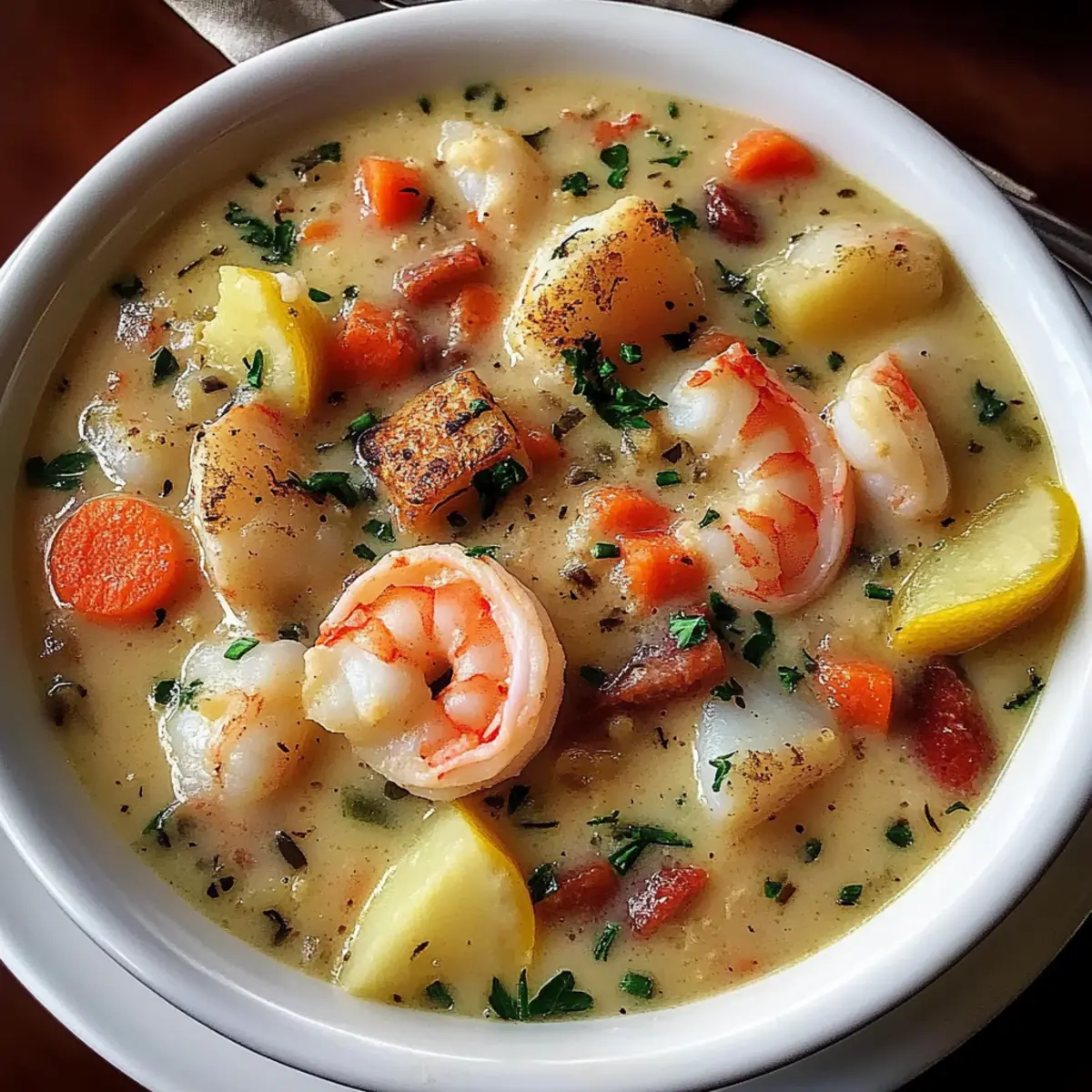
Nova Scotia Seafood Chowder Recipe FAQs
What should I look for when selecting seafood?
Absolutely! When choosing haddock, shrimp, and scallops, freshness is key. Look for haddock fillets that smell like the ocean and have a firm texture. For shrimp, they should be clean, dry, and slightly translucent. Fresh scallops should be plump and have a sweet scent, free from any dark spots. If possible, buy them from your local fish market to ensure you’re getting the freshest catch!
How long can I store leftover chowder in the fridge?
You can store your Nova Scotia Seafood Chowder in an airtight container in the refrigerator for up to 2 days. When ready to enjoy again, reheat it gently over low heat. Stir occasionally to avoid overcooking the seafood, which can become tough if heated too quickly.
Can I freeze my leftover chowder?
Yes! To freeze the chowder, pour it into a freezer-safe container, leaving about an inch of space at the top for expansion. It can be stored in the freezer for up to 3 months. When you’re ready to enjoy it again, thaw it in the fridge overnight and reheat slowly on the stove, adding a touch of milk or seafood stock if the consistency is too thick.
What if my chowder turns out too thick?
Very! If you find your chowder is too thick after cooking, you can easily adjust it. Simply whisk in additional milk or seafood stock until you reach your desired consistency. If you prefer a thinner soup, it’s best to add a bit at a time. Remember to heat gently so it doesn’t curdle!
Are there any dietary considerations for this chowder?
Absolutely! If you’re cooking for someone with seafood allergies, you might want to substitute all the seafood with vegetables like corn or mushrooms, while also increasing the stock and seasonings for added flavor. Additionally, for lactose intolerance, you can replace heavy cream and milk with non-dairy alternatives like almond or oat milk, but be sure to choose unsweetened varieties for the best results. Always check labels to ensure they meet your dietary needs!
How do I know when the seafood is cooked?
The seafood should become opaque and firm yet tender when fully cooked. Generally, for shrimp, this takes about 5-7 minutes after being added to the chowder. For scallops, they should also appear white and slightly golden on the outside. Trust your senses—when they look and smell delicious, they’re ready to come out of the pot!
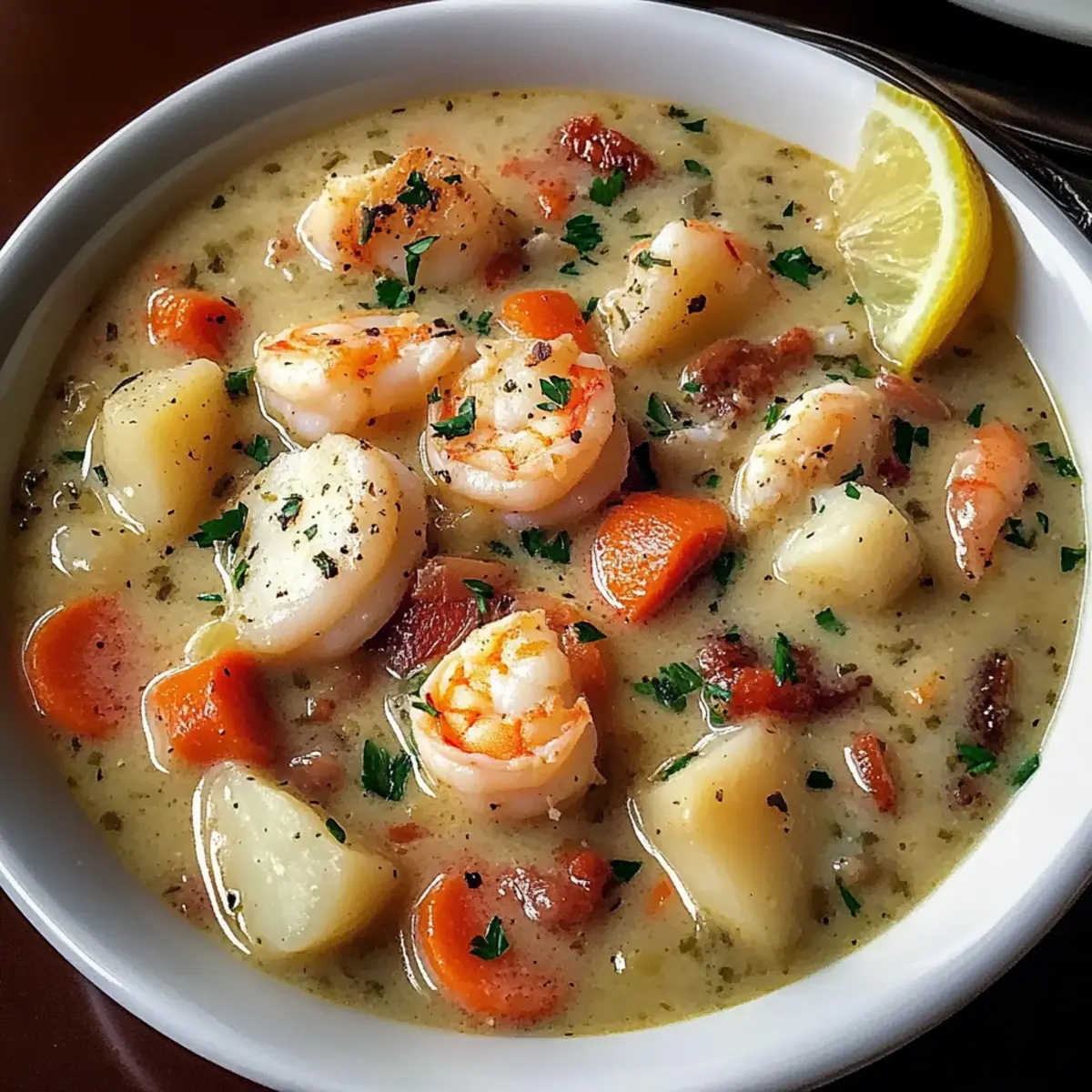
Creamy Nova Scotia Seafood Chowder for Cozy Nights
Ingredients
Equipment
Method
- In a large pot over medium heat, melt 4 tablespoons of unsalted butter until foamy. Add in 1 diced onion, 2 diced carrots, and 2 chopped celery stalks, stirring frequently. Sauté for about 5–7 minutes until softened.
- Stir in 4 minced garlic cloves, allowing them to cook for an additional minute, infusing the chowder with flavor.
- Add 2 diced potatoes, 4 cups of seafood stock, 1 teaspoon of dried thyme, and 1 bay leaf. Bring to a gentle simmer and cook for 15–20 minutes until potatoes are fork-tender.
- Carefully remove the bay leaf and lower the heat to medium. Pour in 1 cup of heavy cream and 1 cup of milk, stirring until fully integrated.
- Fold in 1 pound each of haddock, shrimp, and scallops, cooking for 5–7 minutes until seafood is opaque and tender.
- Season to taste with salt and pepper and simmer for an additional 2 minutes.
- Ladle chowder into warmed bowls, garnishing with fresh parsley and serving alongside lemon wedges.
Leave a Reply