
As I stirred the creamy, fragrant peanut sauce one rainy afternoon, the comforting blend of flavors transported me straight to the bustling streets of Thailand. This Thai Peanut Sweet Potato Buddha Bowl is my go-to when I crave something vibrant yet wholesome. Bursting with colors and textures, this recipe is not only easy to whip up but also incredibly customizable—feel free to swap in your favorite veggies or proteins. Plus, it’s a healthy meal you can enjoy guilt-free. Imagine a cozy dinner that warms both your belly and your heart while also impressing your loved ones—what’s not to love? Ready to dive in and create your own flavorful masterpiece?
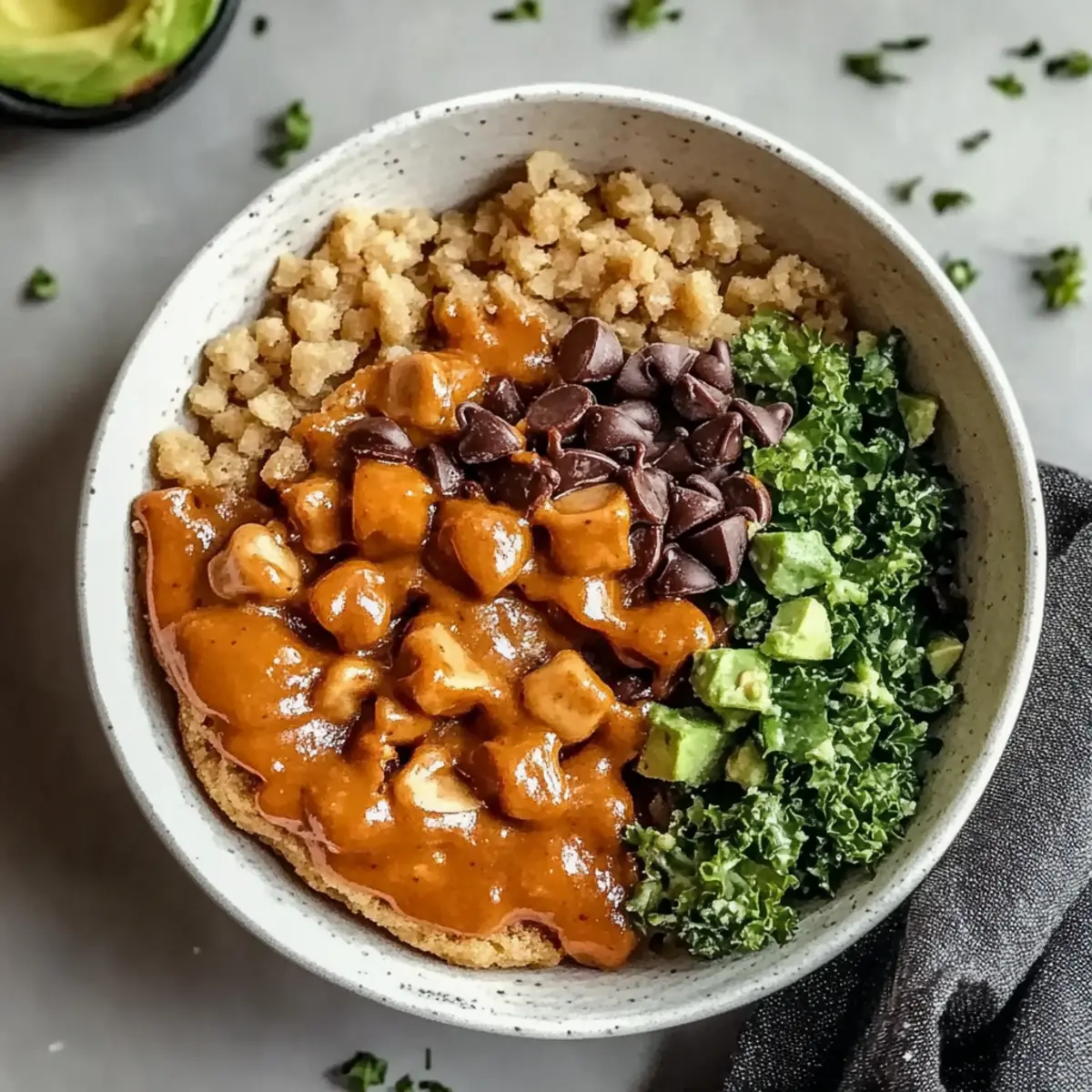
Why is this Buddha Bowl so special?
Vibrant Flavors: The combination of creamy peanut sauce and roasted sweet potatoes packs a punch that will tantalize your taste buds.
Easy to Customize: Feel free to swap out veggies or proteins based on what you have on hand, similar to a classic homemade chocolate chip cookie recipe!
Healthy & Wholesome: This bowl is not only delicious but also loaded with nutrients, making it a guilt-free comfort food option.
Quick & Simple: Ready in under 30 minutes, this dish is perfect for busy weeknights when you still want a satisfying meal.
Crowd-Pleasing Appeal: Whether you are hosting a dinner or just enjoying a cozy night in, this dish is sure to impress friends and family alike!
Thai Peanut Sweet Potato Buddha Bowl Ingredients
For the Bowl
• Sweet potatoes – provide a natural sweetness and are rich in vitamins; roasting elevates their flavor.
• Cooked quinoa – a protein-packed base that adds heartiness to the bowl; can substitute with brown rice for a different texture.
• Cucumber – adds a refreshing crunch; try swapping with bell peppers for a pop of color.
• Shredded carrots – provide both sweetness and vibrant color; use purple carrots for added visual appeal.
• Red cabbage – brings a satisfying crunch and a beautiful hue; kale can be used for a nutrient boost.
• Avocado – creamy and rich, it adds healthy fats; replace with edamame if you prefer a plant-based protein boost.
For the Peanut Sauce
• Creamy peanut butter – creates a rich and nutty sauce base; can use almond butter for a different flavor profile.
• Soy sauce – adds depth and umami; use tamari for a gluten-free option.
• Lime juice – brightens the flavors, giving a zingy finish; lemon juice can be a substitute if needed.
• Maple syrup – enhances sweetness in the sauce; agave syrup works well too.
• Ginger – adds a warm spice note; fresh ginger is best for intense flavor.
• Garlic – provides a savory kick; roasted garlic can add a milder taste.
Customize your delicious Thai Peanut Sweet Potato Buddha Bowl with these fresh and wholesome ingredients that ensure every bite is a taste of home!
Step‑by‑Step Instructions for Thai Peanut Sweet Potato Buddha Bowl
Step 1: Preheat the Oven
Begin by preheating your oven to 425°F (220°C). This ensures that your sweet potatoes roast perfectly, achieving a caramelized exterior while maintaining a tender interior. Line a baking sheet with parchment paper to prevent sticking and make cleanup a breeze.
Step 2: Prepare the Sweet Potatoes
While your oven heats, wash and peel the sweet potatoes, then dice them into bite-sized cubes. Toss the cubes in a drizzle of olive oil and a sprinkle of salt, ensuring each piece is coated. Spread them evenly on the prepared baking sheet, maximizing their exposure to the heat, and roast for 25-30 minutes, or until they are golden brown and tender when pierced with a fork.
Step 3: Cook the Quinoa
While the sweet potatoes are roasting, rinse 1 cup of quinoa under cold water to remove any bitterness. In a medium saucepan, combine the rinsed quinoa with 2 cups of water and a pinch of salt. Bring the mixture to a boil over medium-high heat, then reduce to a simmer, cover, and cook for about 15 minutes, or until the quinoa has absorbed all the water and appears fluffy.
Step 4: Whisk Together the Peanut Sauce
In a separate bowl, combine 1/4 cup creamy peanut butter, 2 tablespoons soy sauce, 1 tablespoon lime juice, 1 tablespoon maple syrup, 1 teaspoon grated ginger, and 1 minced garlic clove. Whisk them together until smooth, adjusting the consistency with a splash of water if needed. The peanut sauce should be creamy and luscious, ready to drizzle over your Thai Peanut Sweet Potato Buddha Bowl.
Step 5: Chop the Fresh Veggies
As everything cooks, take the time to chop your fresh veggies. Slice a cucumber, shred some carrots, and chop red cabbage for added crunch. Place all your chopped veggies into a large bowl, mixing them lightly to ensure their vibrant colors shine. These fresh ingredients will provide a delightful contrast to the roasted sweet potatoes and creamy peanut sauce.
Step 6: Assemble the Buddha Bowl
Once the sweet potatoes are roasted and the quinoa is fluffy, it’s time to assemble your bowl. In a large serving bowl, start with a base of quinoa, then artfully arrange the roasted sweet potatoes and fresh vegetables on top. The variety of colors and textures will create an inviting and appetizing presentation, making your Thai Peanut Sweet Potato Buddha Bowl look as good as it tastes.
Step 7: Drizzle with Peanut Sauce
Finish your masterpiece by generously drizzling the creamy peanut sauce over the assembled ingredients. Don’t be shy—let the rich, nutty flavor coat everything! For a pop of freshness, consider squeezing a little extra lime juice over the bowl and garnishing with sesame seeds or chopped peanuts for added crunch.
Step 8: Serve and Enjoy
Now it’s time to enjoy your Thai Peanut Sweet Potato Buddha Bowl! This dish is perfect warm and can also be made ahead and served cold. Gather your loved ones around the table and share the warmth and fullness of this wholesome meal, all while savoring each colorful and delicious bite.
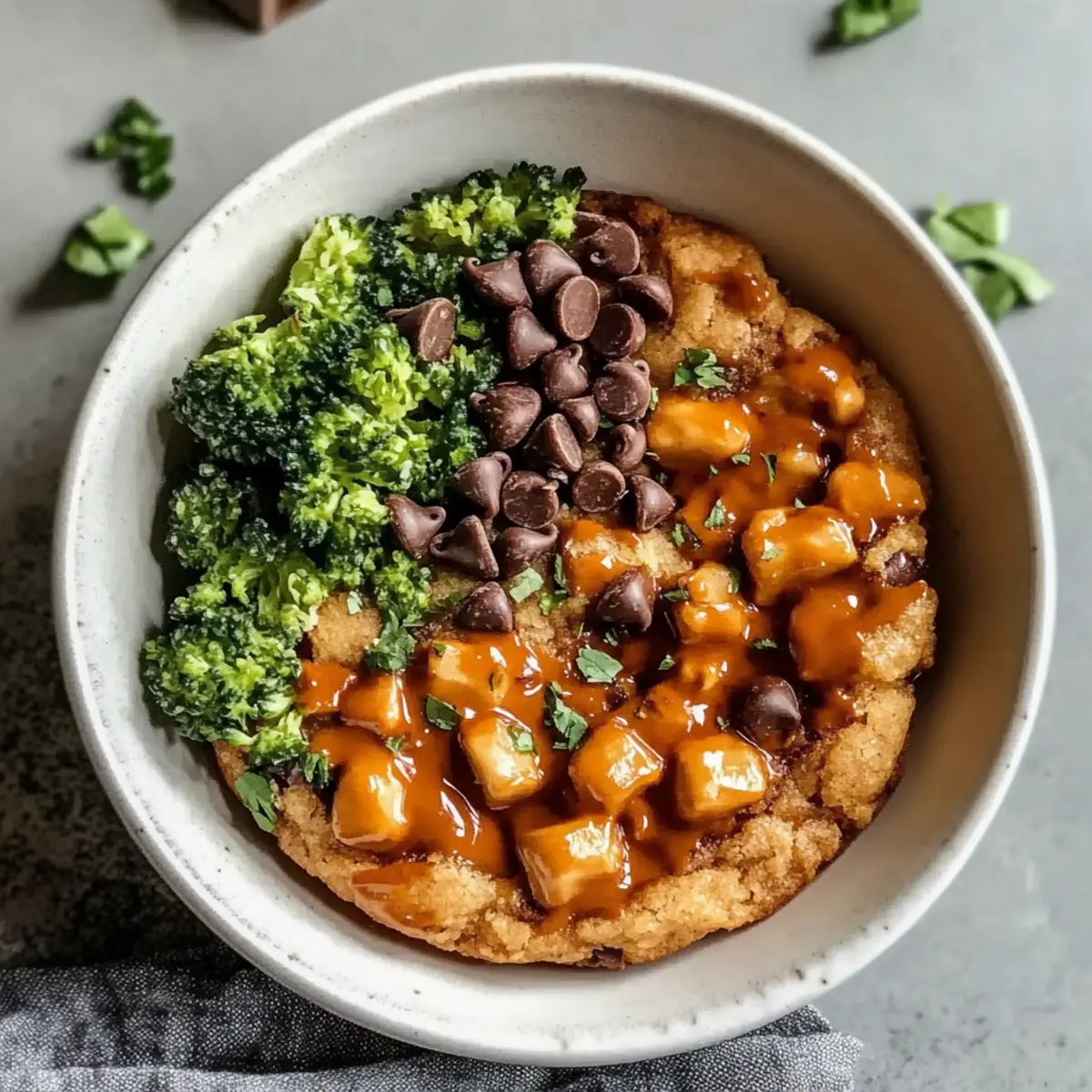
Storage Tips for Thai Peanut Sweet Potato Buddha Bowl
Fridge: Store any leftover Buddha bowl components in airtight containers for up to 3 days to keep them fresh and flavorful.
Separate Ingredients: Keep roasted sweet potatoes, quinoa, and fresh veggies stored separately in the fridge to prevent sogginess. This also allows for easy assembly later!
Freezer: You can freeze roasted sweet potatoes in freezer-safe bags for up to 3 months. Thaw them overnight in the refrigerator before using in your Thai Peanut Sweet Potato Buddha Bowl.
Reheating: For best results, reheat sweet potatoes and quinoa in the microwave or on the stove. Add a splash of water to keep them moist and prevent drying out during reheating.
Expert Tips for Thai Peanut Sweet Potato Buddha Bowl
-
Perfectly Roasted Potatoes: Roast sweet potatoes until golden and tender; check doneness with a fork to avoid undercooking.
-
Flavorful Peanut Sauce: Adjust peanut sauce consistency with water gradually; it should be creamy, not runny, for the best taste.
-
Veggie Preparation: Chop veggies uniformly for even texture; mix them lightly to keep their vibrant colors intact.
-
Quinoa Cooking: For fluffy quinoa, avoid stirring while it cooks; this prevents it from becoming mushy and ensures perfect grains.
-
Customize Freely: Feel free to swap in your favorite veggies or proteins, just like with classic homemade chocolate chip cookies!
-
Storage Tips: Store leftover Buddha bowl components separately in airtight containers to maintain freshness and prevent sogginess.
Thai Peanut Sweet Potato Buddha Bowl Variations
Feel free to explore these delightful variations and personalize your Buddha bowl experience with bold flavors and textures!
-
Gluten-Free: Replace soy sauce with tamari to keep your bowl gluten-free while retaining that rich umami flavor. It’s an easy swap for anyone with gluten sensitivities!
-
Nut-Free: Use sunbutter or tahini instead of peanut butter in the sauce. These alternatives maintain creaminess while accommodating nut allergies, ensuring everyone can enjoy this dish.
-
Spicy Kick: Add crushed red pepper flakes or sriracha to the peanut sauce for a fiery twist. Spice lovers will appreciate that extra warmth!
-
Add Protein: Toss in grilled chicken, shrimp, or tofu for a protein boost. This will make your bowl even more satisfying and nourish your body.
-
Herb Infusion: Sprinkle fresh cilantro or basil over your assembled bowl for a pop of freshness and aromatic flavor. It elevates the dish from delicious to extraordinary!
-
Roasted Veggie Medley: Mix in roasted bell peppers or zucchini along with your sweet potatoes. This adds variety and extra nutrients to your vibrant bowl, ensuring every bite is exciting.
-
Coconut Cream: Drizzle a bit of coconut cream over the top for added richness. This complements the peanut sauce beautifully and offers a tropical twist to your meal.
-
Fruit Touch: Include diced mango or pineapple for a sweet contrast that brightens the flavors. It’s a delightful addition that makes every mouthful a taste adventure!
Your Thai Peanut Sweet Potato Buddha Bowl is a canvas for creativity—these substitutions and variations will ensure you never get bored of this wholesome dish. Plus, if you’re in the mood for something else, try using these ideas from Sweet Savory Chicken or Peanut Butter Chicken!
What to Serve with Thai Peanut Sweet Potato Buddha Bowl
Imagine a vibrant meal that’s perfect for a gathering or a cozy night in—here’s how to build a complete experience around it.
-
Crispy Spring Rolls: Light and crunchy, these rolls filled with fresh veggies enhance the freshness of your Buddha bowl, providing a satisfying texture contrast.
-
Thai Mango Salad: A refreshing mix of sweet, tangy, and crunchy elements complements the hearty flavors of the bowl, balancing each mouthful beautifully.
-
Coconut Rice: Creamy coconut-infused rice offers a rich base that plays off the peanut sauce, adding an extra layer of tropical flavor to your meal.
-
Grilled Tofu: Marinated and grilled, tofu serves as a protein boost that pairs perfectly with the flavors in your bowl, making every bite nourishing and filling.
-
Sesame-Kale Chips: These crunchy kale chips are a delightful side that brings a salty, savory crunch, perfectly complementing the rich elements of your Buddha bowl.
-
Fruit Smoothies: A refreshing, fruity smoothie made with tropical fruits can lighten the meal, offering a cheerful sweetness that enhances the overall experience.
-
Iced Jasmine Tea: Cool and aromatic, Jasmine tea makes a lovely beverage pairing that echoes the vibrant Asian flavors in your dish.
-
Chocolate Dipped Bananas: For a light dessert, these sweet treats provide a satisfying finish without being overly heavy, wrapping up your meal on a sweet note.
Make Ahead Options
These Thai Peanut Sweet Potato Buddha Bowls are perfect for meal prep enthusiasts! You can roast the sweet potatoes up to 3 days in advance and store them in an airtight container in the refrigerator—this will help maintain their texture and flavor. Additionally, the quinoa can also be cooked ahead; just keep it in the fridge for up to 5 days. For the peanut sauce, prepare it and store it in the fridge for up to 1 week. When you’re ready to enjoy your Buddha Bowl, simply reheat the sweet potatoes and quinoa, assemble the bowl with fresh veggies, and drizzle the sauce on top. This way, you can savor a wholesome meal with minimal effort after a busy day!
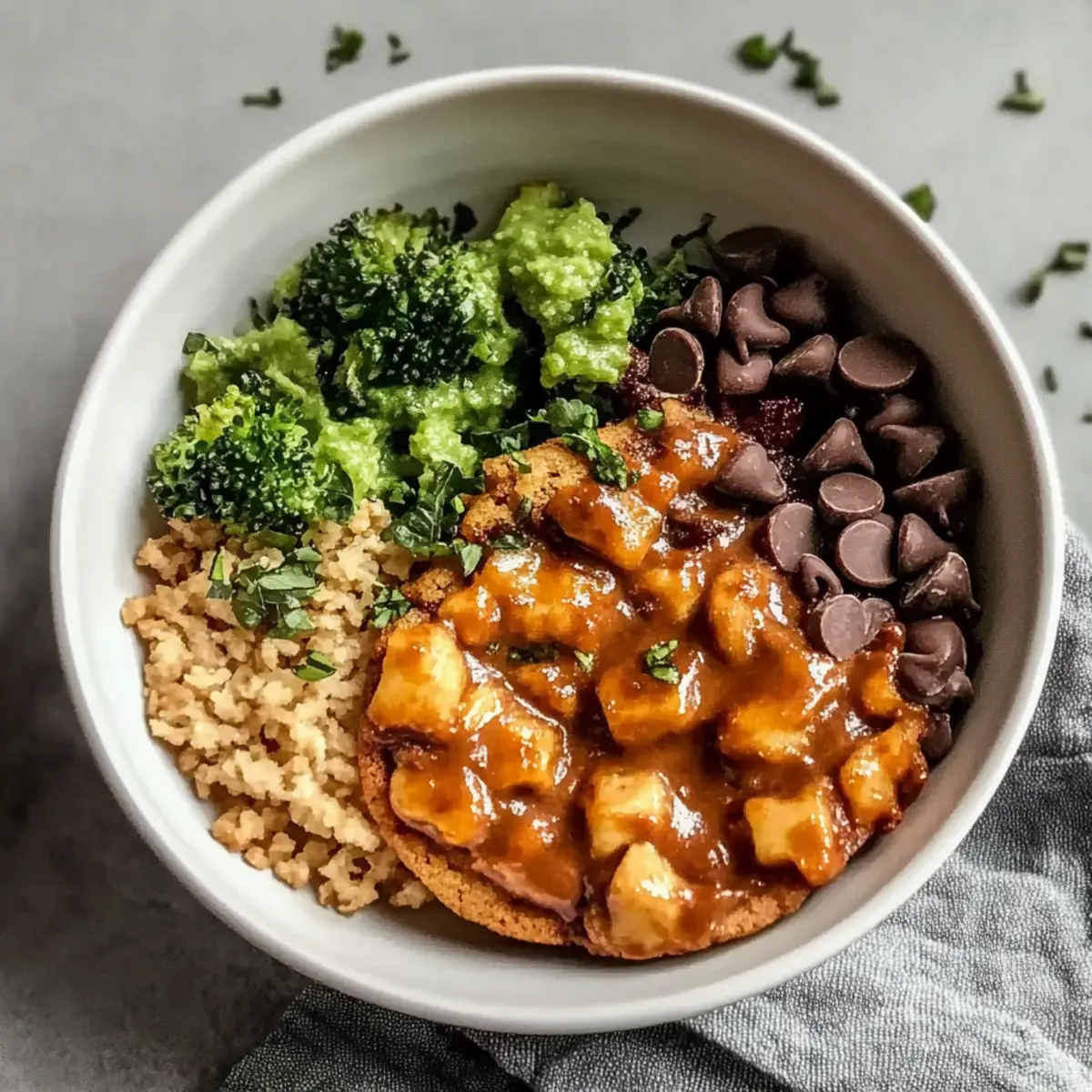
Thai Peanut Sweet Potato Buddha Bowl Recipe FAQs
How do I select ripe sweet potatoes?
When choosing sweet potatoes, look for those that are firm, smooth, and free from any blemishes or dark spots. Avoid those with wrinkled skin or soft spots, as they’re past their prime. A good sweet potato will feel dense and heavy for its size, indicating a higher sugar content for that perfect sweetness!
What’s the best way to store leftovers?
To keep your Buddha Bowl fresh, store the components in airtight containers in the fridge. The roasted sweet potatoes and quinoa can be kept for up to 3 days, and it’s best to keep the fresh veggies separate to maintain their crunch. This way, you can enjoy your delicious bowl without any sogginess affecting those vibrant flavors!
Can I freeze the ingredients?
Absolutely! You can freeze roasted sweet potatoes in freezer-safe bags for up to 3 months. Just let them cool completely before packing them up. When you’re ready to use them, simply thaw overnight in the refrigerator. For cooked quinoa, it can also be frozen the same way and reheated for a quick meal option.
What should I do if my peanut sauce is too thick?
If your peanut sauce turns out too thick, don’t worry! Just whisk in a little warm water, a tablespoon at a time, until you achieve your desired consistency. It’s all about finding that creamy, luscious texture that will perfectly coat your Buddha Bowl ingredients.
Are there any dietary considerations for this recipe?
Certainly! This Thai Peanut Sweet Potato Buddha Bowl is easily adaptable. For a gluten-free version, use tamari instead of soy sauce and check that your peanut butter is certified gluten-free. If you have nut allergies, you can substitute peanut butter with sunflower seed butter for a nut-free alternative. Just be sure to mix in your favorite veggies or proteins to suit any dietary preferences—there’s no one way to make it!
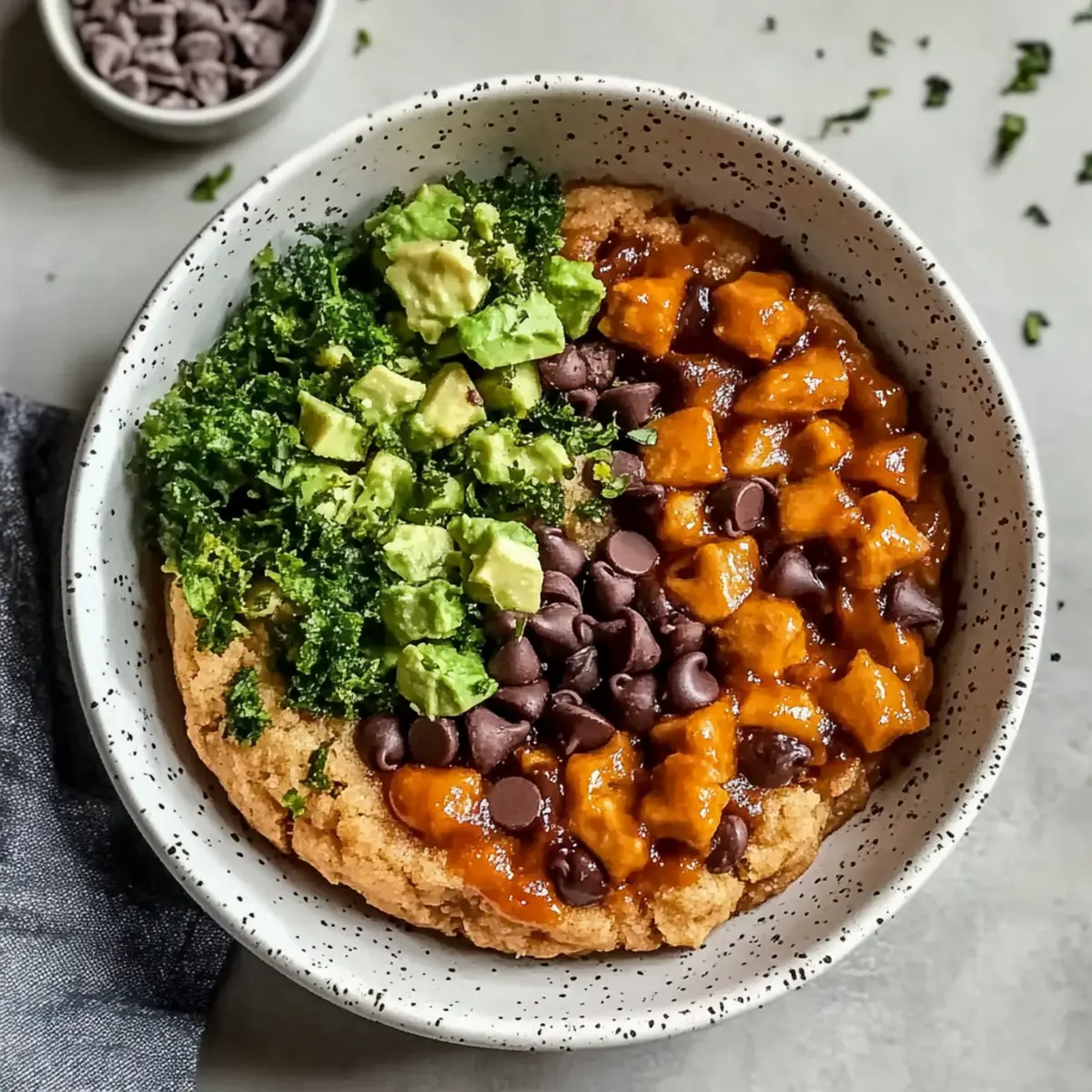
Savory Thai Peanut Sweet Potato Buddha Bowl to Satisfy Cravings
Ingredients
Equipment
Method
- Preheat the oven to 425°F (220°C) and line a baking sheet with parchment paper.
- Wash, peel, and dice the sweet potatoes into cubes. Toss in olive oil and salt, then spread on the baking sheet. Roast for 25-30 minutes.
- Rinse quinoa under cold water. Combine with water and pinch of salt in a saucepan. Boil, then simmer for about 15 minutes until fluffy.
- In a bowl, whisk together peanut butter, soy sauce, lime juice, maple syrup, ginger, and garlic until smooth.
- Slice cucumber, shred carrots, and chop red cabbage. Mix them in a large bowl.
- Assemble your bowl starting with quinoa followed by roasted sweet potatoes and fresh veggies.
- Drizzle creamy peanut sauce on top, potentially adding extra lime juice or garnishing with sesame seeds.
- Serve and enjoy warm, or store components separately for later.
Leave a Reply